Gaming Laptop Reviews & Buying Guides
Explore our in-depth gaming laptop reviews and practical buying guides. We cover performance, graphics, cooling, and real-world usability to help you choose the right gaming laptop.
Start Here
Choosing the right gaming laptop can feel overwhelming because modern models vary widely in graphics power, processors, cooling systems, and display technology. Whether you are buying your first gaming laptop or upgrading from an older system, understanding the core components can make the decision much easier.
This guide explains the most important features to consider so you can choose a gaming laptop that fits your games, performance expectations, and budget.
Graphics Card (GPU): The Most Important Component
For gaming performance, the graphics card is usually the most important part of the laptop. The GPU determines how smoothly games run, especially modern AAA titles with advanced visual effects.
Entry-level gaming laptops often include GPUs designed for esports titles and lighter games, while higher-end laptops include powerful GPUs capable of running demanding games at higher settings.
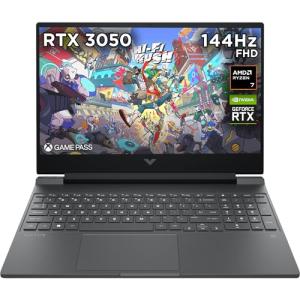
Many gaming laptops balance GPU power with cooling performance and portability. For example, models like the HP Victus 15 gaming laptop are designed to provide strong gaming performance while remaining relatively affordable.
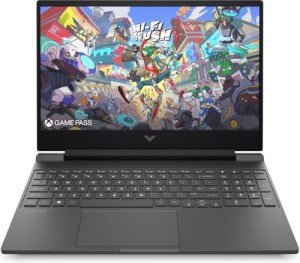
HP Victus 15.6" Ryzen 5 Gaming Laptop
Powerful performance and stunning graphics for an immersive gaming experience
Product information
€681.19 €425.74
Product Review Score
4.96 out of 5 stars
135 reviewsProduct links
Processor (CPU): Supporting Smooth Gameplay
While the GPU drives most gaming performance, the processor plays an important role in overall system responsiveness, multitasking, and modern game engines.
A strong CPU helps with tasks such as streaming, background applications, and games that rely heavily on simulation or physics calculations.
Gaming laptops like the HP OMEN 16 combine powerful processors with high-performance GPUs to deliver consistent frame rates in demanding games.
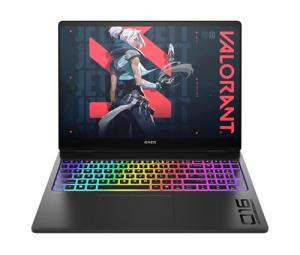
HP OMEN 16" Gaming Laptop with RTX 5080
Experience lightning-fast graphics and smooth gameplay with the HP OMEN 16" Gaming Laptop powered by the RTX 5080
Product information
€3,105.38
Product Review Score
4.97 out of 5 stars
31 reviewsProduct links
Display and Refresh Rate
Gaming laptops now offer a wide range of display options, including high refresh rate panels that improve smoothness during gameplay. A higher refresh rate display can make fast-paced games feel more responsive and fluid.
Many gaming laptops feature 144Hz or higher refresh rate displays, which can provide a noticeably smoother experience compared to traditional 60Hz screens.
Cooling and Thermal Performance
Gaming laptops generate significant heat when running demanding games. Effective cooling systems help maintain performance during longer gaming sessions and prevent thermal throttling.
- Higher-performance models such as the MSI Titan 18 gaming laptop use advanced cooling systems designed to handle powerful GPUs and CPUs under sustained load.
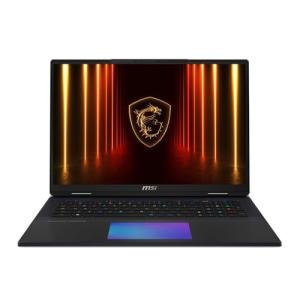
MSI Titan 18" 120Hz Gaming Laptop, Black
Experience ultra-smooth gameplay and stunning graphics with the powerful MSI Titan gaming laptop
Product information
€8,989.38
Product Review Score
4.44 out of 5 stars
177 reviewsProduct links
Build Quality and Portability
Some gamers prioritise portability, while others focus on maximum performance. Slim gaming laptops are easier to carry but may have smaller cooling systems, while larger laptops can often support stronger hardware and cooling solutions.
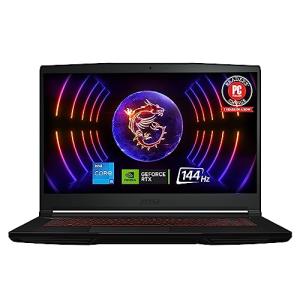
Balanced models like the MSI Katana 17 gaming laptop aim to provide strong gaming performance while still remaining practical for everyday use.
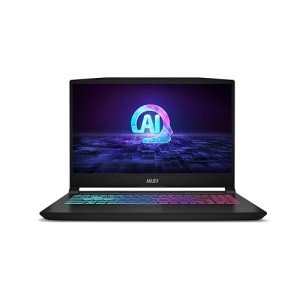
MSI Katana 15.6" 144Hz Gaming Laptop
Unleash your gaming potential with lightning-fast graphics and smooth performance
Product information
€1,025.34
Product Review Score
4.33 out of 5 stars
28 reviewsProduct links
Storage and Memory
Fast storage improves game loading times and overall system responsiveness. Modern gaming laptops commonly use NVMe solid-state drives, which are significantly faster than older storage technologies.
Memory is also important, especially for modern games and multitasking. Many gaming laptops include upgrade options that allow users to expand memory and storage later.
Choosing the Right Gaming Laptop
The best gaming laptop ultimately depends on the types of games you play and your performance expectations. Some players prioritise competitive esports performance, while others focus on cinematic single-player games with high visual settings.
Our gaming laptop reviews explore these factors in more detail, helping you compare popular models and understand how different hardware configurations affect real-world gaming performance.
As we continue publishing new gaming laptop reviews, this guide will also help you understand the differences between models and identify the features that matter most for your gaming style.